
Microsoft has announced that it will cease support for Microsoft Office apps on Windows 10 devices after the operating system’s support ends on October 14, 2025. To ensure uninterrupted use of Microsoft 365 apps, users will need to upgrade to Windows 11, the company revealed on Tuesday.
According to Microsoft, Microsoft 365 apps will no longer be supported on Windows 10 devices beyond October 14, 2025. Upgrading to Windows 11 will be necessary to continue using these applications without potential issues.
This announcement also impacts standalone versions of Office, such as Office 2024, Office 2021, Office 2019, and Office 2016. These versions will no longer receive updates or technical support on Windows 10 devices.
Although the application will continue to work after the support end date, Microsoft warned users of possible performance and reliability issues. The company strongly recommends upgrading to Windows 11 to prevent such problems from arising over time, as stated in a separate support document.
Since the launch of Windows 11 in October 2021, Microsoft has been encouraging users to make the switch, even declaring 2025 as the year of the Windows 11 PC refresh. However, adoption has been slow, with only 35% of global Windows users currently running Windows 11, as per the Statcounter Global data. In contrast, Windows 10 remains the dominant version, powering 62% of all Windows devices worldwide.
Reasons for Hesitation to Upgrade
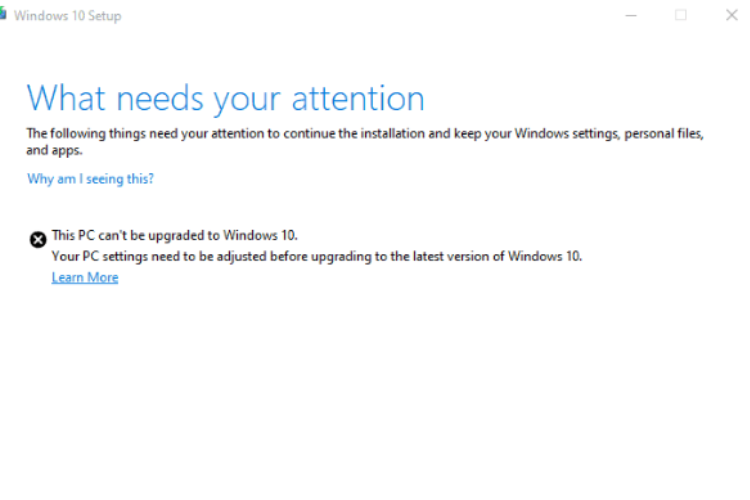
A significant hurdle for Windows 11 adoption has been Microsoft’s strict hardware requirements, particularly the need for TPM (Trusted Platform Module) 2.0. This feature, which Microsoft claims improves resistance to tampering and cyberattacks, is non-negotiable for Windows 11 installations. Many users with older hardware have struggled to meet these requirements, leading to the development of workarounds to bypass them.
To address these challenges, Microsoft has provided some flexibility for users who are unable or unwilling to upgrade. Home users can delay the switch to Windows 11 for an additional year by purchasing Extended Security Updates (ESU) for $30. Certain enterprise and specialized systems, including those using Long-Term Servicing Branch (LTSB) and Long-Term Servicing Channel (LTSC) editions, will continue to receive updates past the October 2025 cutoff.
What This Means for Users?

While users can continue using their Windows 10 PCs and Office apps after support ends, they will no longer receive security updates, leaving them vulnerable to potential risks. Microsoft has reiterated that the free upgrade to Windows 11 is still available, as long as users meet the minimum system requirements.
Margaret Farmer, a Microsoft representative, stressed this point: “You need to confirm that your computer meets the minimum system requirements for the update,” she said.
The Urgency to Upgrade

The clock is ticking for the millions still using Windows 10. Although the operating system remains popular, Microsoft’s decision to end support for Office apps provides an added incentive to make the transition. For users who rely heavily on Microsoft 365 or other Office products, the need to upgrade sooner rather than later is becoming increasingly urgent.