The idea of Artificial Intelligence (AI) is not exclusive to the future anymore. It is already in our lives everyday - voice assistants and suggestion systems, self-driving technology and enhanced healthcare devices.
With AI continuing to develop at a very high rate, governments and various organizations across the world are engaging in efforts to develop regulatory policies that can lead to responsible development and use of AI. These regulations exist to ensure that individuals are not exploited, mishandled, and that innovation is fairly conducted.
What then are AI regulations and why are they so significant? We can simplify it down.
What Are AI Regulations?
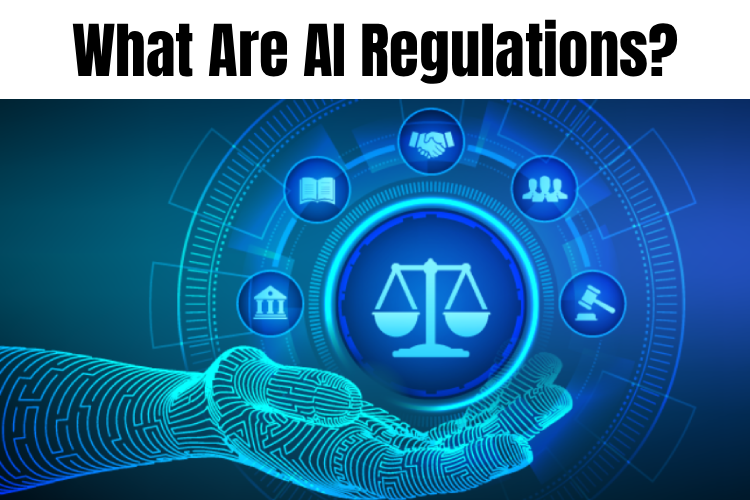
AI regulations refer to laws and rules as well as policies designed to govern the construction, training, and application of artificial intelligence systems.
These rules are geared towards the fact that AI:
- Is safe and reliable
- Is not harmful to the people and the society.
- Observes privacy and human rights.
- Precludes prejudice and discrimination.
- Is accountable and transparent.
Concisely, AI regulations can be used in ensuring that technology does not favor some individuals, but rather all people.
Why Do We Need AI Regulations?
AI is strong, and big responsibility comes with great power. The absence of appropriate rules can pose risks and ethical issues to AI.
These are some of the significant aspects that require AI regulations:
Preventing Misuse of AI
AI can be utilized in malicious ways which include:
- Deepfake videos
- Cyberattacks
- Control of the opinion.
- Automated scams
Laws assist in eliminating the possibility of AI being used for harmful purposes.
Protecting Privacy
The AIs are usually based on huge amounts of data, including personal data.
The absence of rules would allow the companies to exploit data and use the information without an appropriate consent. Rules help to manage data in a responsible manner.
Minimizing Prejudice and Discrimination
Training AI systems on inequitable or incomplete data will inevitably lead to bias.
This may create discrimination in such areas as:
- Hiring decisions
- Loan approvals
- Facial recognition
- Healthcare access
Rules cause developers to create equitable and inclusive AI models.
Ensuring Accountability
Who is liable in case an AI system hurts anyone?
- The developer?
- The company using it?
- The AI itself?
AI laws define accountability and make human beings responsible in relation to AI choices.
Developing Faith in AI Technology

Individuals will tend to embrace AI in society more when they understand that it is controlled and secure.
Well defined rules are useful in gaining social confidence and trust.
The areas of AI regulations are important
The AI regulations are extensive and touch upon numerous areas of technology and society. Some key focus areas include:
Explainability and Transparency
Users must know when they are communicating with AI and whether they are making a decision.
For example:
- The content generated by AI must be tagged.
- The explainability of automated decisions should be possible.
Data Protection
AI laws tend to cross into the realm of data privacy laws. They ensure that:
- Data is collected legally
- Consent is obtained
- Confidential data is secured.
Safety and Risk Management

Safety tests on the application of AI should be carried out all high-risk applications, in particular in such areas as:
- Healthcare
- Transportation
- Defense
- Banking
Artificial Intelligence is not to be implemented without any assessment.
Human Oversight
Regulations underscore the role of AI in aiding human beings and not in full replacement of human judgment.
Human review of critical decisions must still be involved.
Ethical AI Development
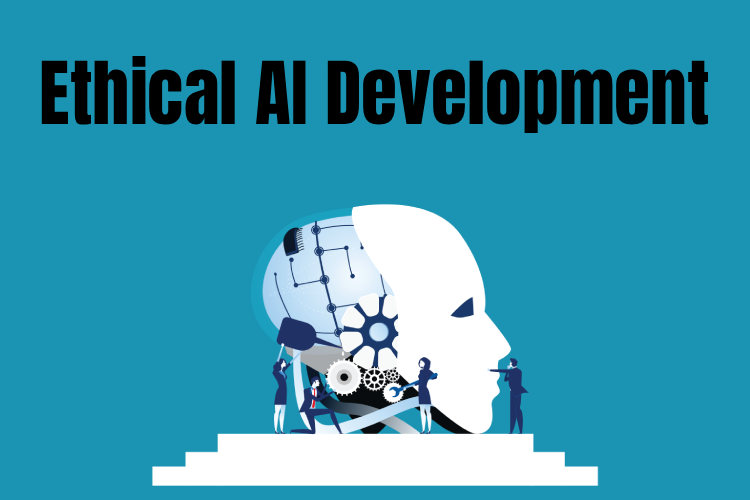
Ethical values, such as, should be observed by AI systems:
- Fairness
- Human dignity
- Social responsibility
- Non-discrimination
AI Regulation Approaches in the World
The regulation of AI is taking various ways in different countries, though the majority of them have common interests: safety, fairness, and accountability.
Risk-Based Regulation
Most regulators categorize AI systems in terms of risk:
- Simple rules are required in low-risk AI (such as music recommendations).
- The field of high-risk AI (such as medical diagnosis) requires tight control.
AI Governance Frameworks
Guidelines and frameworks are emphasized in some countries instead of the strict laws, promoting responsible innovation as the regulations are being updated.
Bans on Certain AI Uses
There are applications of AI that can be limited or prohibited, including:
- Facial recognition mass surveillance.
- AI devices manipulating vulnerable groups.
Challenges in Regulating AI
It is not easy to regulate AI and governments have a number of challenges:
The World is Adopting Technology Faster than the Law.
Artificial intelligence is changing at a fast pace and legislation can take years to be made. Rules should remain dynamic and accommodating.
Global Differences
The use of AI is international, although regulations vary on a country-by-country basis. It is not easy to develop uniform international standards.
The tradeoff between Innovation and Control.
Excessive limitations are also detrimental to innovation, and insufficient restrictions may cause damage. The regulators have to strike the balance.
Defining AI Clearly
The list of technologies that can be classified as AI is long, with some being a basic form of automation, and others, complex machine learning. There is a challenge in defining what constitutes AI.
AI Regulations and their Impact on Businesses and Users.
For Businesses
Companies that design or use AI should:
- Ensure compliance with laws
- Improve transparency
- Conduct risk assessments
- Protect user data
- Avoid biased algorithms
The AI regulation would appear as a major responsibility of doing business.
For Users
Regulations can offer protection since they assure:
- Safer AI tools
- Better privacy
- Fair treatment
- Further regulation of AI choices.
There are enhanced rights and protection to users.
Final Thoughts
The future of technology is only made in a responsible manner by AI regulations. The presence of rules and policies will assist in making AI as safe, fair, transparent, and beneficial to everyone as AI becomes more implemented in society.
Instead of halting the development, the AI regulations are used to steer the innovation in the correct direction - ensuring that artificial intelligence is used to benefit the human race rather than the other way around.
It is not only the future of AI, but also the future of smarter rules, which safeguard people and facilitate trust